
What Is Roof Flashing?
Roof flashing is a thin material—commonly made of metal—that is installed at key points on your roof to prevent water from seeping into your home. In Cazenovia, NY, where freeze-thaw cycles and heavy snows are part of the local climate, flashing is an essential defense against leaks and structural damage. You’ll find flashing around features like chimneys, roof valleys, skylights, and vent pipes—essentially anywhere the roof surface is interrupted or two different planes meet.
Why Does Flashing Matter in Homes Here?
Flashing protects the most vulnerable areas of your roof. Without it, melted snow and rain can slip under shingles, causing leaks that may go unnoticed until significant damage occurs. The blend of cold winters and warm summers in the area means repeated expansion and contraction of roofing materials—flashing is designed to handle this movement while keeping seams watertight.
In homes across the city, even small failures in flashing can result in expensive repairs due to ceiling stains, attic mold, or rot in structural wood. For older homes common to the community, outdated or deteriorated flashing is a frequent culprit behind mysterious water issues.
Where Is Flashing Used on a Roof?
Flashing is only installed where it’s truly needed—typically at roof penetrations or intersections. Common locations include:
- Chimneys: Metal flashing wraps the base where the chimney meets the roof, stopping water from pooling and seeping inside.
- Roof valleys: Where two roof sections meet in a V-shape, valley flashing channels water down and off the roof.
- Skylights and vents: Flashing forms a raised barrier around skylights and vent pipes, directing water away from vulnerable seams.
- Eaves and rakes: Edge flashing at eaves (bottom edge) and rakes (sloped ends) prevents wind-driven rain and ice dams from infiltrating beneath the roofing.
On homes in the Cazenovia area, ice dams—caused by snow melting and refreezing at the eaves—are a seasonal concern. Properly installed edge flashing helps limit this common winter hazard.
What Kinds of Materials Are Used?
Most flashing installed in the region is made from galvanized steel, aluminum, or copper. Each has its advantages and drawbacks:
- Galvanized steel is durable and affordable but can eventually rust, especially if exposed or scratched.
- Aluminum is lightweight and easy to shape, but may corrode if it comes in contact with certain roofing materials or is not painted.
- Copper offers superior longevity and resists corrosion, but has a higher cost and develops a green patina over time.
It’s not unusual for older houses to have lead or even tar-based flashing. Both are less common in modern construction due to health, environmental, and durability considerations.
What Can Go Wrong With Flashing?
Flashing issues are a leading cause of roof leaks in climates like Cazenovia’s. Problems usually arise from:
- Age: Metal loses flexibility over time and may develop pinhole leaks.
- Poor installation: Gaps, incorrect overlaps, or missing fasteners allow water to bypass flashing.
- Weather damage: Heavy winds, hail, or ice movement can dislodge or deform flashing.
- Rust or corrosion: Damaged protective coatings allow water to form rust that eventually penetrates the metal.
It’s a common misconception that all leaks are caused by missing shingles. In reality, flashing failures often go unseen from ground level but do the most damage.
How Can You Spot Flashing Problems?
Direct roof access isn’t necessary to stay alert for potential issues. Some warning signs include:
- Water stains or damp spots around chimneys, attic vents, or skylights
- Rust streaks visible on exterior walls under roof lines
- Pieces of bent or missing metal visible from the ground, especially after a storm
- Patches of ice forming around roof edges or valleys
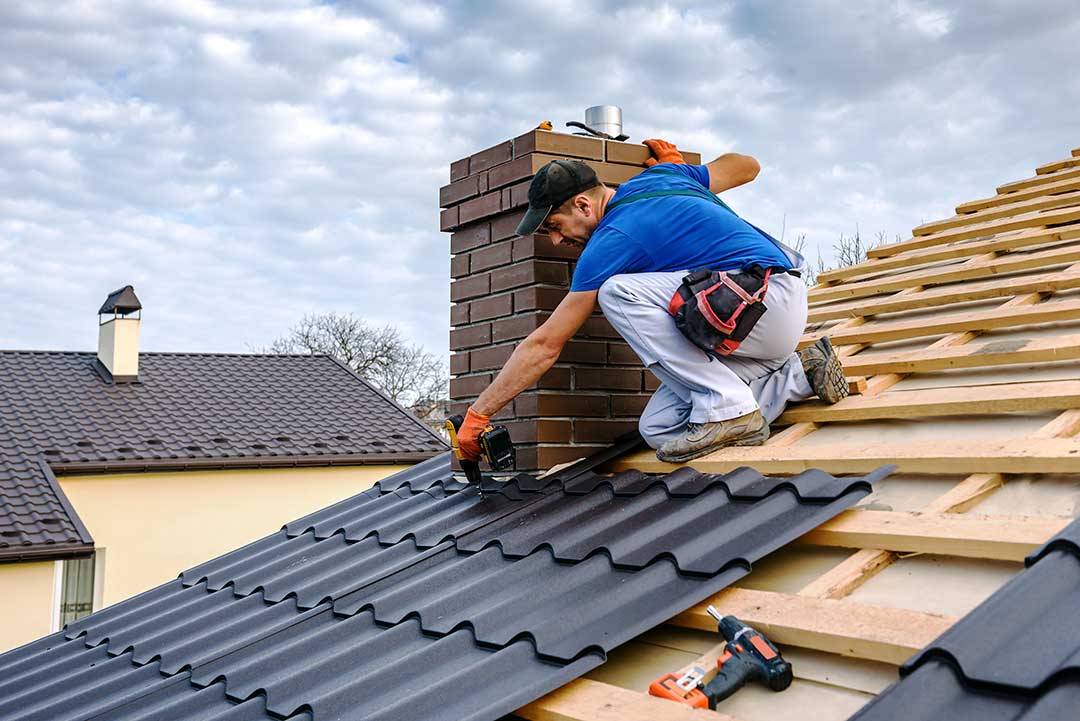
Routine visual inspections from the yard can help area households spot potential trouble early. For steep or tall roofs, binoculars can be useful.
Do All Homes in the City Need the Same Flashing?
Not every home in Cazenovia has identical needs. Older homes might have unique rooflines, complex dormers, or historic materials requiring custom flashing solutions. Flat roofs or modern designs could need different materials or installation techniques compared to classic gable and colonial-style homes common in the area.
Local weather patterns also play a role. Homes shaded by tall trees may face extra moisture challenges, while houses at higher elevations might be more exposed to wind and driving rain. These factors can determine the type and placement of flashing that’s most effective.
How Does Flashing Maintenance Fit Into Regular Roof Care?
Routine roof maintenance in Cazenovia should always include a check on flashing, especially after winter or major storms. Flashing doesn’t generally need to be replaced as often as shingles, but sealants can crack, and fasteners may pull loose over years of freeze-thaw cycles.
A practical approach is:
- Inspect visually twice a year—spring and fall are common times
- Clear debris from valleys and around chimneys to expose flashing
- Watch for gaps in sealant or caulk at flashing edges
Missing or damaged flashing on sheds or detached garages is sometimes ignored but can threaten stored belongings or allow pests and water intrusion.
Are Repairs Always Difficult or Expensive?
Not all flashing repairs are complex. Small sections of loose or lifted flashing can sometimes be secured with appropriate fasteners. Sealant or caulk repairs are common fixes for minor gaps. However, if large rust holes or repeated leaks occur, replacing a full section—or addressing underlying roof damage—may be necessary.
For steep or high roofs, or when dealing with vintage materials, working with someone experienced is recommended for safety and code compliance, but minor checks and light maintenance are within reach for many homeowners.
