

How Should You Respond When You Find a Leak?
If you notice water dripping from your ceiling, wet spots on your walls, or other signs of a leak, it’s important to respond quickly and calmly. Immediate action helps limit water damage and keeps your living space safe.
Start by moving valuables and furniture out of the way to prevent further water exposure. Place a bucket or containers under active drips to catch water, using towels if needed to absorb what spills over. If there’s bulging paint or ceiling, gently poke a small hole to allow pooling water to drain in a controlled way — this helps prevent a larger ceiling collapse.
Is It Safe to Check the Source Yourself?
It’s generally safe to look for obvious signs inside your home but avoid climbing onto the roof, especially in wet or icy conditions. In Cazenovia, snow and ice dams are common causes of leaks, particularly in late winter and early spring. If you feel comfortable, inspect your attic with a flashlight for wet rafters, water stains, or drips. Do not handle electrical wiring or fixtures that appear wet.
If you see water pooling near light fixtures, wiring, or circuit panels, turn off power to the affected area from your circuit breaker as a precaution. For any sign of extensive or ongoing leakage, especially near electrical components, prioritize safety and stay clear of hazardous areas.
What Temporary Steps Can Limit the Damage?
While stopping a leak completely requires roof repair, several practical steps can limit further damage:
- Catch water in buckets or large bowls to protect flooring.
- Lay down towels or plastic sheeting to prevent spreading.
- Open windows or use fans to circulate air and begin drying wet surfaces — this slows mold growth.
- Remove area rugs and other porous materials from affected rooms.
- If accessible, place a tarp or thick plastic over attic insulation below the leak.
In Cazenovia’s humid summers, mold can develop quickly—try to start drying any soaked materials within 24-48 hours.
How Do Common Local Weather Conditions Affect Roof Leaks?
Local homes experience roof leaks after heavy rain, wind-driven storms, or rapid snowmelt. Ice dams — ridges of ice that form at the roof edge — can back up water under shingles, causing it to seep inside. Wind gusts may dislodge shingles or flashing, while spring storms can reveal leaks that started over the winter. Watch for leaks after major storms, prolonged rain, or freeze-thaw cycles typical of the region.
What Areas Are Most Likely to Leak?
Most Cazenovia homes have pitched or shingled roofs, many with older flashing and vulnerable valleys. Leaks most often develop at:
- Around chimneys, skylights, and roof vents
- Where roof planes intersect (valleys)
- Under damaged, curled, or missing shingles
- Along roof eaves, especially following ice dam formation
If you can safely inspect your attic, check these areas first for wetness, staining, or daylight showing through gaps.
Can You Patch a Leak Temporarily?
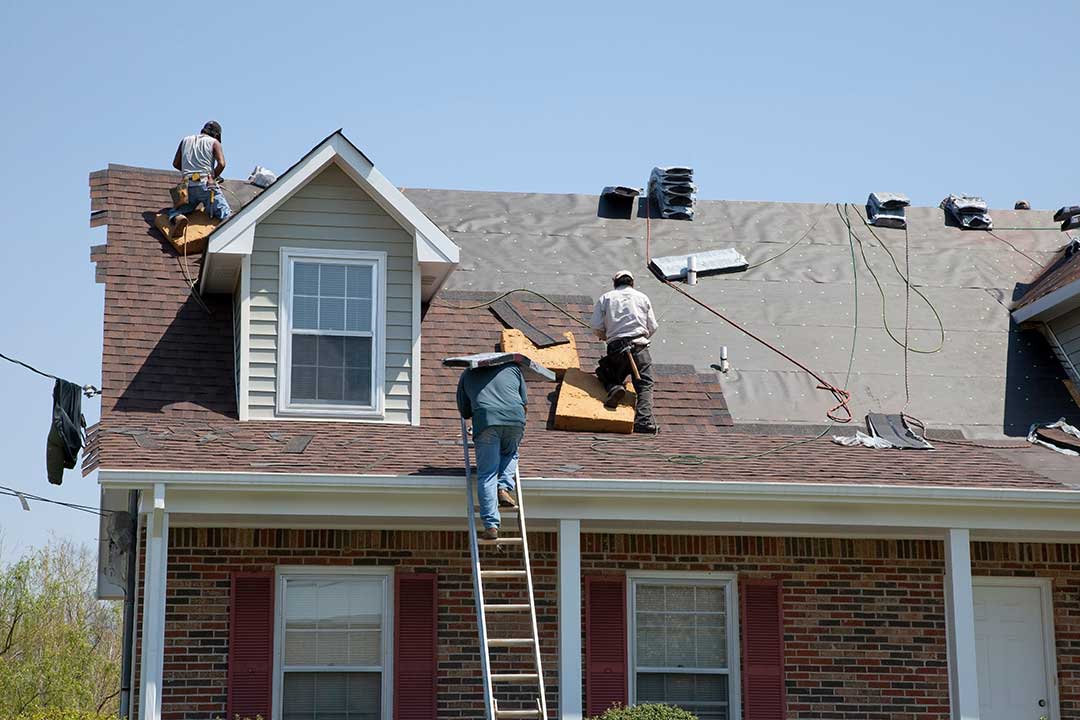
If you’re experienced and conditions allow, it’s sometimes possible to place a heavy-duty tarp over the roof from the outside. This should only be attempted when the roof is dry and safe to access. Secure the tarp with boards or weights to stop water from entering until repairs are made. Even a high-quality temporary patch won’t withstand Cazenovia’s wind or heavy weather for long but may help during a prolonged rain event.
Most short-term solutions focus on minimizing indoor water spread rather than fully stopping the leak from above.
When Should You Involve Local Authorities or Emergency Help?
Most minor leaks don’t require emergency services. However, contact emergency services if:
- Water is leaking near your electrical panel or fixtures and cannot be controlled safely
- There’s risk of ceiling collapse — for example, when water is bulging or sagging dramatically
- You suspect the leak is connected to storm or infrastructure damage that affects more than your property
For storm-related damage, local municipalities sometimes offer debris pickup or information about disaster response if severe weather has caused widespread issues in the area.
What Should You Document for Repairs or Insurance?
Take clear photos or videos of:
- The leak source (if visible)
- Water-damaged items, walls, or ceilings
- Any active dripping or pooling water
Keep notes about when you noticed the leak, how it progressed, and any weather conditions at the time. This documentation helps local residents if they need to file claims or pursue repairs later — and ensures accurate assessment of the damage.
How Can Leaks Be Prevented in the Future?
While not all leaks can be prevented, regular checks and seasonal maintenance help. In Cazenovia, clear gutters before winter, watch for ice dams after snowstorms, and check attic insulation to limit heat loss. Inspect your roof after high winds or storms, looking for damaged shingles or flashing.
Many residents choose to schedule attic inspections during spring thaw or after autumn storms. Staying aware of common risk factors helps prevent repeat leaks and preserves your home’s structure.
