

Why Should Roof Maintenance Be a Priority in Fall?
Regular fall roof maintenance helps area households protect their homes against common seasonal issues. Leaves, branches, and changing weather can cause unexpected damage if not addressed before winter.
For homes in Cazenovia, seasonal roof care isn’t optional—it's preventive. Heavy autumn leaf cover, moisture from rain and early snow, and more frequent freeze-thaw cycles make local roofs especially vulnerable to leaks, blocked gutters, and ice dam formation. Catching small problems in the fall can help avoid costly repairs during the harsher winter months.
What Are the First Steps to Prepare Your Roof for Autumn?
Start with an outdoor inspection on a dry, clear day. Residents often overlook signs that seem minor but could become bigger issues if left unattended.
- Walk around your home and check for missing, cracked, or curling shingles.
- Look at roof valleys and areas around chimneys and vents; these zones are prone to leaks.
- Examine the underside of eaves from the ground for water stains or sagging.
If you’re able and it’s safe, a closer look from a sturdy ladder can help spot debris build-up or early signs of moss and algae. Always use caution and avoid climbing on the roof if it’s wet or if you’re uncomfortable with heights.
How Can Gutters and Downspouts Affect Roof Health in Fall?
Clogged gutters are a leading cause of roof damage in the area during fall. Gutters and downspouts are designed to channel water away from your home, but when blocked by leaves, pine needles, and twigs, water backs up—a common factor in roof leaks and ice dams.
- Clean gutters at least once after the majority of leaves have fallen. You may need to repeat this if your yard features many mature trees.
- Check that downspouts drain freely and direct water at least several feet away from your foundation.
- Consider installing gutter guards if your property is heavily wooded, but inspect them for clogs as well.
For homes with older gutter systems or extensions, double-check all connections. Look for signs of standing water or sagging sections, as these can indicate hidden clogs or undersized components.
What Roof Debris Needs Clearing Before Winter?
Leaves and branches that get trapped on a roof are more than unsightly; they can absorb moisture, speed deterioration, and block water flow to gutters.
- Clear away all leaves, pine needles, acorns, and twigs from roof surfaces, especially in valleys and flat sections.
- Remove debris from behind chimneys, skylights, and around roof vents where build-up is common but less visible.
- Watch out for moss or algae growth, which is more likely in shaded, north-facing areas. Use a gentle broom or specialized roof-safe cleaner if needed, avoiding high-pressure washing.
Fallen branches or heavier debris should be removed right away since they can damage shingles or puncture roofing materials, especially under snow load.
Are There Local Weather Factors That Influence Fall Roof Care?
In Cazenovia, unpredictable fall weather—ranging from heavy rain to early wet snow—creates unique roof maintenance challenges. Seasonal winds can carry more branches and leaves than residents might expect.
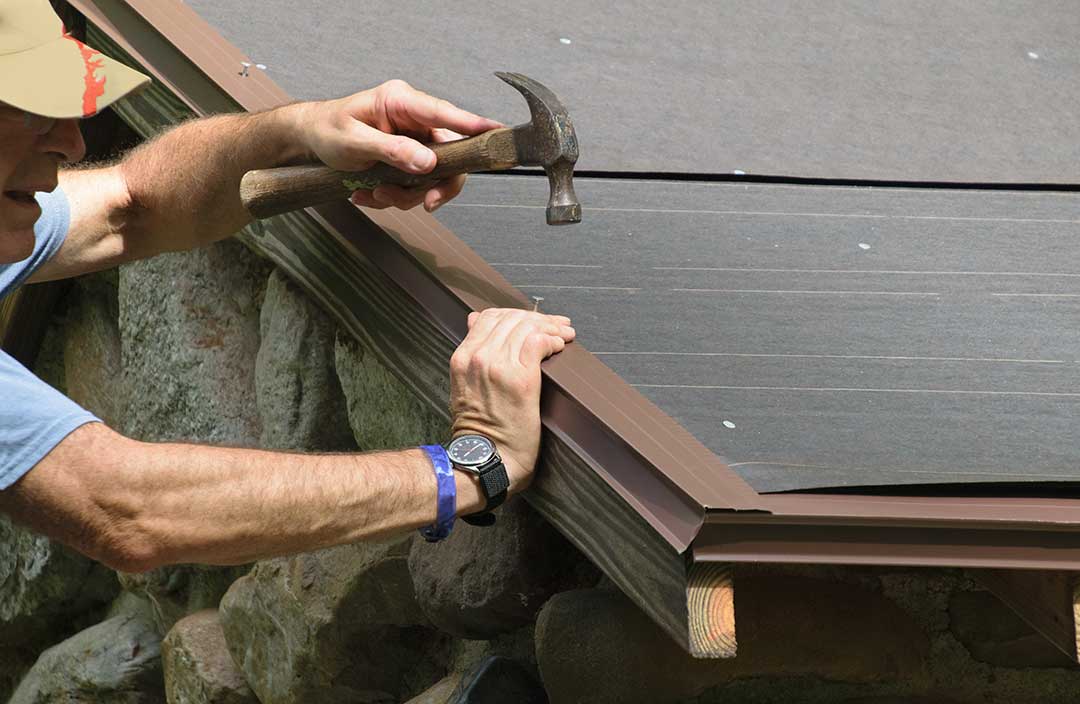
Pay close attention after significant storms or wind events. Shingles can lift or come loose, flashing may dislodge, and large branches might land on out-of-sight roof sections. Early freezing temperatures, especially at night, may start creating ice dams if gutters are blocked.
Freeze-thaw cycles also put extra stress on older roofing materials. Residents in historic homes or with older roofs should be especially vigilant about inspecting flashing, seams, and previously patched areas.
How Should Residents Deal With Minor Roof Repairs?
Small issues can often be managed by homeowners using basic tools. For example, replacing a few damaged shingles or applying roof sealant to small gaps is feasible for those comfortable with basic repair work and ladder safety.
However, large patches of missing shingles, structural damage, or anything involving electrical components (such as loose wires from satellite dishes or solar installs) may need specialized attention. Local regulations or insurance requirements may also affect what DIY repairs are allowed—always check your homeowners association guidelines or local codes if unsure.
What Are Common Misconceptions About Roof Maintenance in This Area?
Some residents assume that their newer roofs or lack of mature trees means less maintenance is needed. However, even without heavy leaf fall, local roofs remain at risk from wind, rain, and early snow.
Another misconception is that ice dams only occur in older homes. In fact, any roof that isn’t draining properly—whether due to insulation issues, clogged gutters, or poor attic ventilation—can develop them. Periodic attic checks for proper insulation and ventilation can help, especially in fall as temperatures fluctuate sharply.
Finally, many overlook the role of animal activity in fall. Squirrels and birds may create hidden nests in roof vents or eaves, leading to unexpected leaks or structural issues over time.
How Can Residents Safely Check Their Roof Without Climbing?
Not everyone is comfortable using a ladder or walking on a pitched roof. Fortunately, several safe routine checks are possible from the ground:
- Use binoculars to scan for visible damage, missing shingles, and accumulation of debris.
- Watch from inside the attic or upper floors for light seeping through the roof boards or wet insulation after rainfall, which can signal leaks.
- During a rain shower, observe gutter overflow and downspout areas for water backups or pooling near the foundation.
Seasonal inspections by residents themselves lead to greater awareness of roof health, prompt spotting of issues, and safer, more cost-effective home care.
