
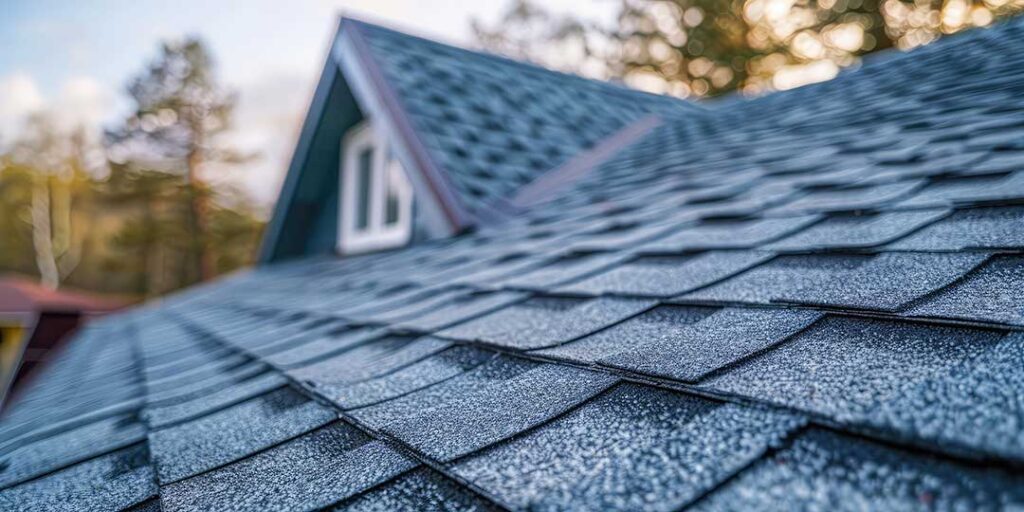
Roof shingles receive most of the attention, but the layer beneath them plays a major role in keeping a home dry. Roof underlayment is a protective sheet installed over the roof deck and below the outer roofing material. It helps manage moisture, wind-driven rain, melting snow, and small leaks that may pass beneath shingles.
For homes in Cazenovia, NY, underlayment is especially relevant because roofs must handle changing conditions through the year, including heavy rainfall, snow accumulation, freeze-thaw cycles, and occasional strong winds.
What is roof underlayment?
Roof underlayment is a water-resistant or waterproof material placed between the roof deck and the shingles, metal panels, or other exterior roofing material. It serves as a secondary moisture barrier.
The roof covering remains the primary defense against weather, but no roof covering is completely immune to damage or water intrusion. Shingles can be lifted by wind, cracked by age, or penetrated around roof openings. Underlayment provides an additional layer of protection while water drains toward the eaves.
Underlayment is not the same as roof decking. The decking is the structural surface, often made from plywood or oriented strand board, that supports the roofing system. Underlayment is a protective layer installed on top of that surface.
What are the main types of underlayment?
The three most common categories are asphalt-saturated felt, synthetic underlayment, and rubberized asphalt or other self-adhering membranes. Each has different characteristics.
Asphalt-saturated felt
Often called roofing felt, this traditional material is made from a base sheet saturated with asphalt. It has been used for many decades and remains part of many roofing systems.
Felt is generally economical and relatively simple to install. However, it can tear more easily than some newer materials and may wrinkle if exposed to moisture before the roof covering is installed. Long exposure to sunlight and weather can also reduce its effectiveness.
Synthetic underlayment
Synthetic sheets are typically made from polymer-based materials. They are usually lighter than felt, resist tearing, and can remain exposed for a limited period during construction, depending on the product requirements.
Synthetic underlayment is common beneath asphalt shingles and may also be used with certain metal roofing systems. Its performance depends on proper fastening, overlap, detailing, and compatibility with the roof covering.
Self-adhering membranes
Self-adhering underlayments use an adhesive backing to bond to the roof deck. Rubberized asphalt membranes are frequently used in areas that deserve extra protection, such as valleys, eaves, roof edges, and penetrations.
These materials can help resist water that may back up beneath shingles during ice formation or wind-driven rain. They must be installed on a suitable, clean surface, and installation procedures can vary significantly by product.
Why are eaves and valleys especially important?
Roof edges and valleys are more vulnerable to water movement than the middle of a roof. Valleys collect runoff from two roof planes, while eaves are exposed to water drainage, wind, and potential ice buildup.
In a cold-weather climate, ice dams can form when heat escapes into the attic and melts snow on the upper roof. The water may refreeze near colder eaves and create a dam. If water backs up beneath shingles, a properly selected and installed membrane in vulnerable areas can provide additional protection.
Underlayment does not prevent ice dams by itself. Attic insulation, air sealing, ventilation, roof geometry, snow conditions, and indoor humidity also affect the risk. Treating underlayment as a complete solution can lead to false confidence.
Does every roof need underlayment?
Most conventional sloped roofing systems require underlayment or another approved secondary water-shedding layer. The exact requirements depend on the roof covering, slope, deck material, weather exposure, and applicable building standards.
Underlayment is used beneath many types of roofing, including:
- Asphalt shingles
- Wood shakes and shingles
- Some metal roofing systems
- Certain low-slope roofing assemblies
- Roofing materials that require a specific approved base layer
The product should match the roofing system. A material that works beneath asphalt shingles may not be appropriate beneath every type of metal, tile, or specialty roofing.
How is underlayment installed?
Installation begins with a sound, dry roof deck. Damaged or deteriorated decking should be addressed before the underlayment is placed.
Sheets are generally installed in courses, with overlaps that direct water downward. Fasteners must be placed according to the material and roof covering requirements. Roof edges, valleys, wall intersections, chimneys, skylights, plumbing vents, and other penetrations require careful detailing.
Common installation problems include:
- Insufficient overlap between courses
- Exposed fasteners in areas vulnerable to leakage
- Wrinkled or poorly bonded membrane
- Gaps around roof penetrations
- Failure to follow eave and valley details
- Leaving underlayment exposed longer than allowed
- Installing materials over wet or contaminated decking
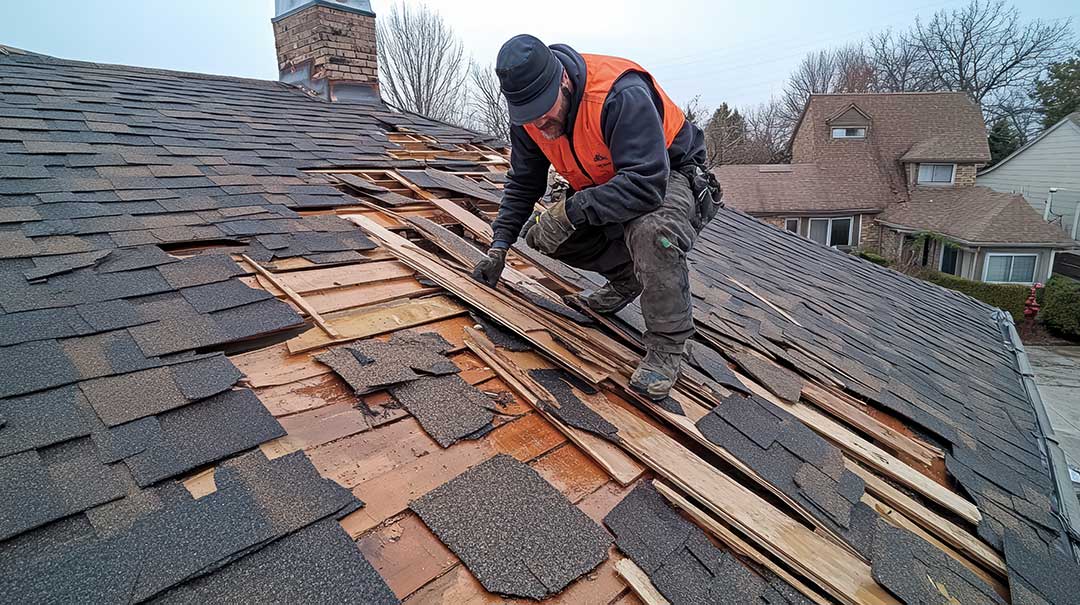
Even a high-quality product can perform poorly if water is directed behind a flashing, under a lap, or into an unsealed penetration.
Can underlayment stop a roof leak?
Underlayment can reduce water entry, but it is not designed to replace shingles, flashing, or proper drainage. A leak may originate from a damaged roof covering, failed flashing, an open seam, a roof penetration, condensation, or water entering higher on the roof and traveling along the deck.
A ceiling stain does not necessarily identify the exact location of the problem. Water can move along rafters or roof decking before appearing indoors. Underlayment may delay visible leakage, but concealed moisture can still damage wood, insulation, ceilings, and wall finishes.
After a storm or prolonged rain, interior staining, damp insulation, peeling paint, or musty odors deserve attention. Electrical fixtures near a leak create an additional safety concern.
How long does underlayment last?
The service life of underlayment depends on the material, installation quality, exposure, roof conditions, and whether the outer roofing remains intact. Underlayment is generally expected to function as part of a complete roofing assembly rather than as a permanently exposed surface.
If shingles are replaced while the decking remains sound, the underlayment is typically replaced or renewed as part of the roofing work. Reusing old underlayment may leave behind wrinkles, damaged areas, fastener holes, or brittle material.
Manufacturer instructions may specify exposure limits, approved fasteners, minimum roof slopes, and compatible roof coverings. Those details matter more than a general statement that one underlayment type is always superior.
What should homeowners look for during a roof inspection?
A homeowner usually cannot see most underlayment without removing roofing materials, but several observations can suggest a problem with the roof assembly:
- Water stains or damp areas in the attic
- Wet or compressed insulation near eaves
- Daylight visible through the roof deck
- Rusted fasteners or corroded metal components
- Shingles that are lifted, missing, cracked, or unusually worn
- Repeated leaks after rain or snow
- Moisture around chimneys, skylights, vents, or roof valleys
Attic observations are most useful when made safely from a stable location. Walking on roof surfaces or entering areas with damaged framing, mold, exposed wiring, or unstable insulation can create hazards. Roofing work also involves fall risks, especially on steep or wet surfaces, so hazardous conditions may require qualified assistance.
What is the key takeaway about underlayment?
Roof underlayment is a secondary moisture-control layer, not a substitute for sound decking, properly installed roofing, effective flashing, attic ventilation, or adequate insulation. In Cazenovia, seasonal rain, snow, wind, and freeze-thaw conditions make correct detailing at eaves, valleys, and penetrations particularly important.
The most dependable roof assembly is one in which the outer covering, underlayment, flashing, drainage, and attic conditions work together. A roof can look acceptable from the ground while hidden moisture problems develop beneath the surface, which is why underlayment deserves attention whenever roofing is repaired, replaced, or inspected.
